 Text Us 24/7
 (617)-303-2600



Legal Solutions Focused On You.
Successful Track Record and Personalized Attention for Immigration, Criminal Defense and Personal Injury Matters
About us
Our team of experienced multicultural immigration, criminal, and driving / car accident attorneys in Boston, Massachusetts, will zealously represent and guide you through the complex US legal system.
We work closely with you to understand your situation and goals in order to develop a personalized solution to your case.

Learn more about the 5 Principles that govern our work –
Client Satisfaction, Knowledge, Honesty / Respect, Focus, and Transparency.
Our innovative legal strategies and litigation experience spanning Immigration, Criminal and Personal Injury law provide us with the right tools to help you obtain your desired outcome. Let us help you.
How we can help you
Experienced legal representation across key practice areas, delivering strategic solutions and dependable advocacy when it matters most.

Immigration Law
Our U.S. immigration lawyers in Boston, MA are highly experienced handling all types of immigration petitions for individuals, families and businesses.

Criminal Defense
Our Massachusetts criminal defense lawyers have successfully litigated complex criminal cases at the State and Federal Court levels.

Personal Injury
Our Personal Injury lawyers will zealously represent you to obtain optimal compensation for the injuries you have suffered due to the negligence of others.
Focused Immigration Law Expertise
For more than three decades, our team has helped individuals and families navigate complex U.S. immigration processes with clarity and confidence.

30+ Years Experience
Guiding clients through immigration pathways and complex legal processes, with strategic, effective solutions tailored to their unique goals and needs.

Thousands of Clients Served
Supporting individuals, families, and professionals from around the world with trusted and effective legal guidance that provides peace of mind.

Multicultural & Multilingual Legal Support
Our multicultural and multilingual team understands our client’s different cultures, beyond language, for clear communication that is understood.

Full Support of Entire Process
From visas and green cards to citizenship and deportation defense, we simplify every step to make the process smooth, manageable, and less overwhelming.
10
K+
Clients
Helped
74
%
Repeat & Referral
Clients
50
+
Countries Represented
220
+
Five-Star Reviews
Client Testimonials
Read what our clients have shared about their experiences working with our team and the support they received throughout their legal journey.

Great experience with FitzGerald Law Company – knowledgeable attorney, friendly staff, and smooth green card process. Highly recommended!
Jayne Procopio

Excellent lawyers – helpful, responsive, and always ready to answer questions. Highly recommended to friends and family!
Gerson Lemus
Zrinka and her team were fantastic – attentive, helpful, and made a long process smooth and stress-free. Highly recommended!
Laurence Wilson
Professional, caring team that handled a complex case with expertise and dedication – resulting in a successful green card. Highly recommended!
Margaret Muguku
Highly recommend FitzGerald Law Company – Desmond and his team are fantastic, professional, and easy to work with!
Joe Ryan
Kind, knowledgeable team who offered free guidance during a stressful immigration issue – reassuring, detailed, and truly caring. Highly recommended!
Allison Baker
OUR CLIENTS TALK.
Watch clients share their stories, experiences, and outcomes in their own words.

Client video testimonial showing an immigrant client from Brazil and her American husband sharing their experience with our Boston immigration lawyers obtaining a Green Card (American Residency) through marriage.
Sandra G.
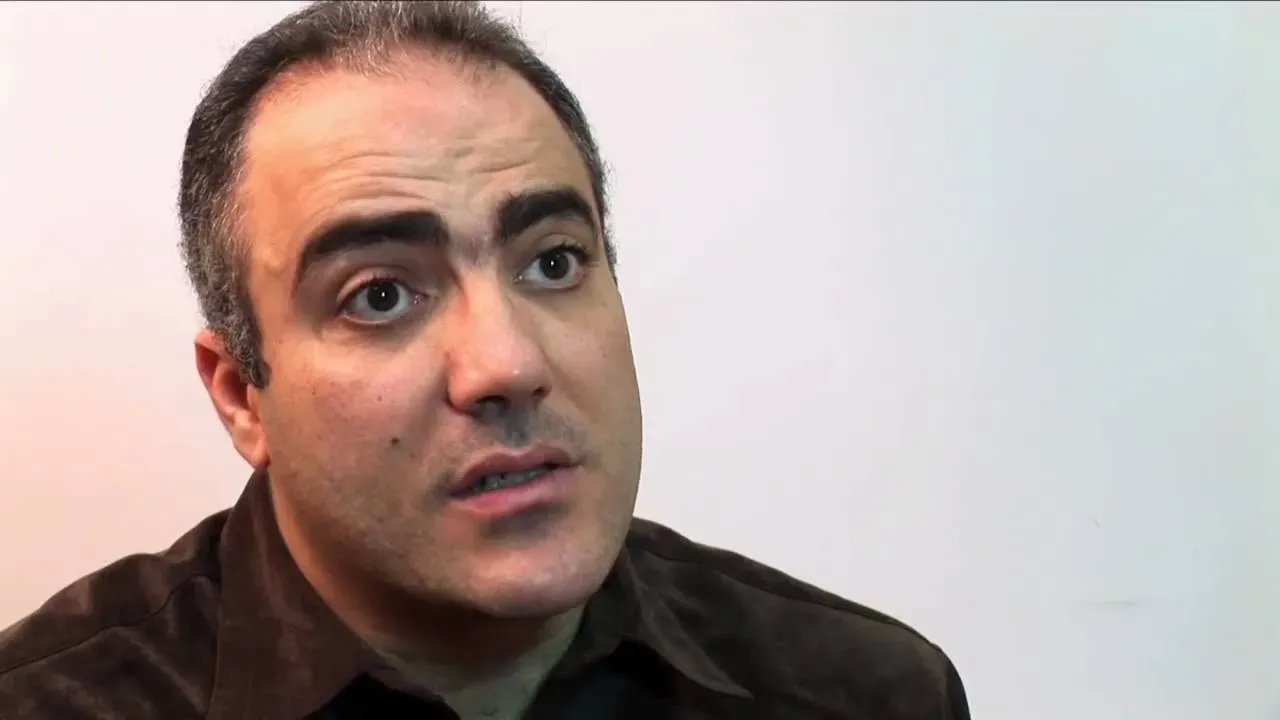
Client video testimonial showing an immigrant client from Egypt sharing his experience in court, working with the immigration and criminal defense lawyer Desmond P. FitzGerald, of FitzGerald & Company
Ahmed B.

Client video testimonial showing an immigrant client from Scotland sharing his experience working with the immigration lawyer Desmond P. FitzGerald and how he received his investor E1 visa that allowed him to start his own company in the U.S.
Alistair M.
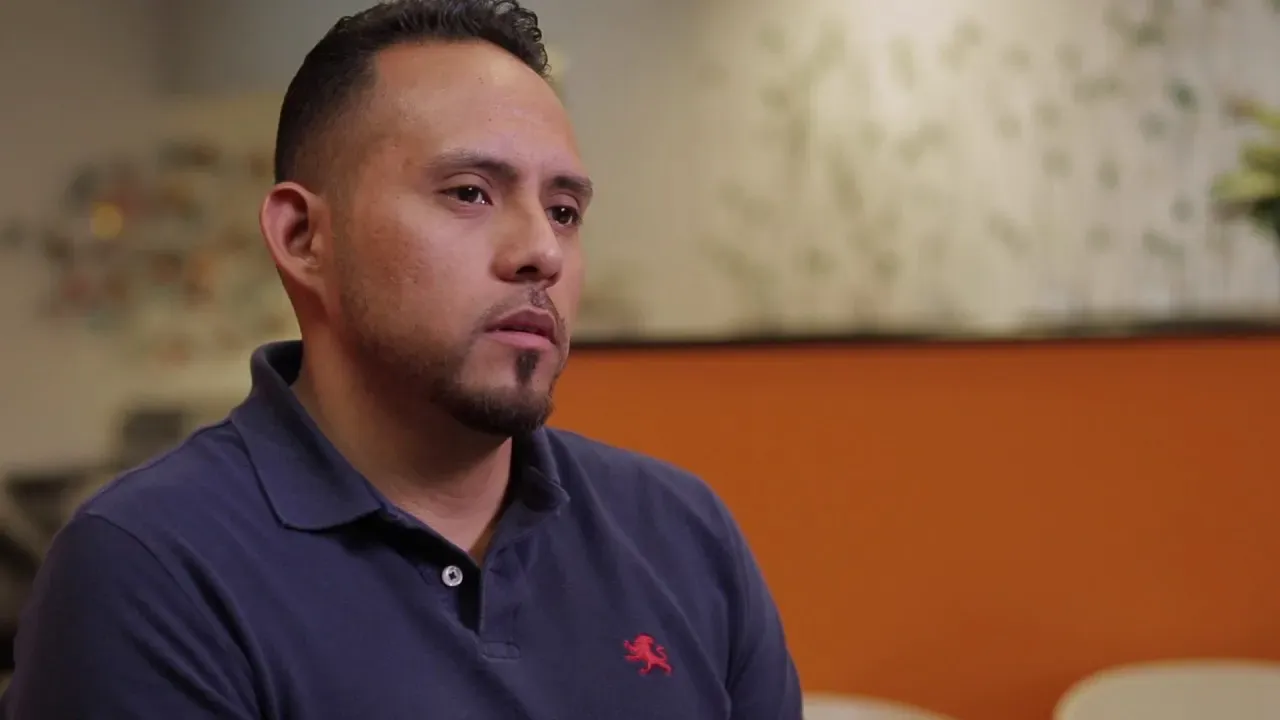
A client shares how entering the U.S. illegally made getting residency difficult, even after marrying a citizen. And how the lawyers at FitzGerald Law Company helped successfully navigate the complex process.
Yuri A.
Our staff is multilingual and multicultural, with employees that have immigrated to the United States or are first-generation Americans.
This means that we not only understand our client’s case, but we understand where our client’s are coming from and what they are experiencing with respect to immigration.
Success Stories
At FitzGerald Law Company, we believe that all clients should be treated with respect and dignity regardless of legal status, national origin, culture, or language.
This core belief together with the ever-growing need for effective legal services for immigrants in the U.S., drove us to develop our guiding principles and the vision and mission of service that are the foundation of our firm.








FAQ
If I have a child who is a U.S. citizen, can I obtain legal status in the U.S.?
You can do so under two circumstances:
1). If your child is over the age of 21 with the ability to support you, your child can file a residency petition for you, if you came into the U.S. with a visa. If you did not enter the U.S. with a visa, you may be eligible for a waiver (or pardon) that may allow you to adjust to legal status, or you may also adjust status if you are 245(i) eligible (see explanation below of who is 245(i) eligible); or
2). If you have been in the U.S. for 10 years and you can demonstrate that your child of any age will suffer an extreme hardship if you are removed to your native country, you may file for cancellation of removal or deportation.
Does a person have to speak to the police after they have been arrested?
No, the US constitution, as well as the Federal and State laws, do not require an individual who has been arrested to speak to the authorities, with the exception of providing basic information about one’s identity. The decision of whether or not to speak to the police is a very important one and it should be evaluated with your attorney as soon as possible.
When is it worth to litigate/fight your personal injury case in court?
A case is usually taken to court, when a settlement offer does not adequately compensate for the suffering you have endured due to the accident or incident or when the other party is not willing to accept its liability/responsibility. Our Boston personal injury lawyers will review the circumstances surrounding your case to recommend the best alternative for the most successful result. After all, our compensation is directly tied to your success and our business depends on our satisfied clients referring us new clients.
How can I obtain work authorization in U.S.?
To obtain work authorization, you must first be eligible for it. In order to be eligible for work authorization, you must have entered the U.S. with a visa that allows work authorization. For example, K-1, U Visa, Optional Practical Training (OPT), derivative beneficiaries of E, H, & L visas, etc., or you if you have a residency application pending and you are eligible to adjust status and there is a visa immediately available, you may be eligible to obtain work authorization. (The specific point in time at which you are eligible depends on the specific circumstances of your entry into the U.S.). You should consult your attorney to identify if you are eligible. You are not eligible to obtain work authorization with a visitor or tourist visa.To obtain work authorization you must file an I-765 application with the Immigration Service at either a local office or at a service center. Upon approval of the application you will receive the authorization in the mail.
What are the general requirements to become a naturalized U.S. citizen?
In most situations, a person is eligible to apply for Naturalization (U.S. citizenship), if they meet the following criteria:
– Have been a Legal Permanent Resident for the last 5 years (or possibly 3 years if your spouse is a US citizen) and have maintained the residency continuously.
– Be at least 18 years old.
– Have good moral character.
– Have the ability to speak, read and write in English and pass a civics test about U.S. history and government. (See The Citizenship Test: Study materials)
– Have been physically present in the U.S. at least half of the required time as a U.S. Legal Permanent Resident.
– Take an oath of allegiance and swear loyalty to the United States.
Can I apply for U.S. citizenship while my application for removal of residency conditions, I-751, is still pending?
Yes, you may apply for naturalization if your I-751 (removal of residency conditions) application is still pending, as long you have been married to the U.S. citizen for at least 3 years and you meet all the other U.S. citizenship requirements.
Can I obtain my residency through employment, if my boss wants to sponsor me?
To be eligible for an Employment Based Residency, you (the beneficiary) must meet all of the criteria in one of the three following categories:
Category I:
– Must be living in the U.S. on or before December 21, 2000 (According to the former INA §245(i) law. Currently there are more than one proposed amendment to this statute which impose different statutory date limitations for filing. Therefore it is advisable to initiate this procedure as soon as possible if the requirements are fulfilled).
– Must have never left the U.S. without permission of The U.S. Immigration Service.
– Must have an offer of employment from a U.S. employer, who has agreed to sponsor the beneficiary for the residency.
– Must receive a salary equal to or above the prevailing wage offered for such a position in the State in which the job will be performed.
Category II:
– Must be lawfully present in the U.S. on a current nonimmigrant visa.
– Must not have violated conditions of the nonimmigrant visa.
Category III:
– Must be residing outside the U.S.
– Must not have been previously deported or removed from the U.S.
– Must not be subject to an order of removal, exclusion, or deportation.
If I had an interview with the USCIS and/or filed my application a very long time ago, but have not received a decision on my case, can I do anything to expedite the process?
You may file a legal action against the USCIS to demand that they provide you with an answer to your petition or adjudicate the application if the immigration service is taking longer than normal to make a decision on your case.The following page of our site contains information on eligibility, process, costs, and documents needed to file such a legal action: Immigration Against U.S. Lawsuit
If I have been in the U.S. for a long time or more than 10 years, can I obtain a green card or residency?
This is possible if you qualify for Immigration via Cancellation of Removal or a cancellation of removal case. This option is available to nonresidents who are in removal proceedings before an immigration judge if the nonresident has been continuously present in the United States for at least 10 years, has a good moral character (has not been subject to criminal charges), and it can be established with evidence that their removal would subject an immediate relative who is a lawful permanent resident or U.S. citizen to exceptional and extremely unusual hardship. Upon reviewing the evidence, the immigration judge may cancel the removal proceedings and grant the nonresident lawful permanent residence. Permanent residents who have been convicted of certain types of crimes and consequently placed in removal proceedings from the United States may also be eligible for cancellation of removal if they have been continuously present in the United States as lawful residents for 7 years and have not been arrested and convicted of a crime during the first 5 years of permanent residence. See information on eligibility, process, and required documentation for a cancellation of removal immigration proceeding
I entered the U.S. without a visa (or without inspection), am I eligible to obtain residency in the U.S.? Or what options do I have to legalize myself?
There are generally three options through which people are able to obtain legal status in the U.S.:
1). An employment petition;
2). A petition filed by an immediate family member; or
3). A special petition such as political asylum or cancellation of removal (deportation).
However, in general, people will fall in one of four categories of eligibility:
1). People who entered the U.S. with a visa and are eligible to get their residency in the U.S. through an “Immediate Relative” family petition (a US Citizen Spouse, a U.S. Citizen Paren if you are under 21, or a U.S. Citizen son or daughter if they are over 21) even if the visa has expired or the visa was not valid.
2). People who entered the U.S. without inspection or have overstayed their lawful status, and are eligible to obtain residency through family or employment because they are eligible for provision 245(i) of the immigration law.
3). People who entered the U.S. with a valid U.S. visa or permit, and have maintained their lawful status. These people are eligible to apply for any category of immigrant or non-immigrant visa. The approval of the change or adjustment of status will depend on their ability to meet the specific qualifications required by the particular U.S. visa.
4). Persons who came into the U.S. without inspection or persons that came with a visa and the visa has expired, may be eligible to apply for residency in the U.S., however, their residency petition will generally require a waiver. A waiver is a “pardon” from the U.S. government that says that even though you have violated an immigration regulation you will be granted a green card under special circumstances.
Generally these waivers require the person to demonstrate that they have a qualifying family member with residency or citizenship who has a serious condition that requires treatment that is available here in the U.S. The most commonly used waiver applications are the I-601, the I-601A and the I-192 waivers.
I want to start my own business in the U.S., is there anything I could do to maintain my legal status?
There are two types of visas that generally will allow an individual to open and maintain a business in the U.S. under certain conditions.
First, an E Visa allows an individual to invest money in the formation of a new business. There are several conditions that must be met for this visa, including the existence of a treaty between the U.S. and the country of citizenship of the individual seeking the visa.
In addition, the investment must be substantial and pass a “substantiality test”, and the investment capital must be at risk.
Another potential option is an L-1A Visa which allows an individual to enter the U.S. for the formation of a new business if there is a foreign company, or entity, that is “affiliated” with the new business and the individual seeking the visa has previously been employed for at least one year of the last three years, with the foreign “affiliated” company outside of the U.S., in an executive or managerial capacity.
In order to maintain your non-immigrant status you must comply with the terms of your existing visa and you must file for any change in status prior to the expiration of the date identified in your I-94. If your I-94 does not contain a date and instead has the letters D/S (Duration of Status), for a student, then the application for change of status must be filed prior to the expiration of the date set by your form I-20 or in the alternative, the date set by the work authorization card you received for Optional Practical Training.
Recent posts
Explore recent articles covering legal updates, helpful resources, and answers to common questions.
Ready to Discuss Your Case?
Connect with our attorneys to discuss your situation, explore practical solutions, and receive personalized legal support focused on achieving the best possible outcome.